
What we treat
Mindfulness and meditation
Mindfulness is the practice of paying attention to the present moment on purpose, without judging it. With regular practice it can lower how strongly stress, anxious thoughts and low mood pull you around, and it supports nearly every other skill you build in care. Ask a question to learn how it could fit yours.
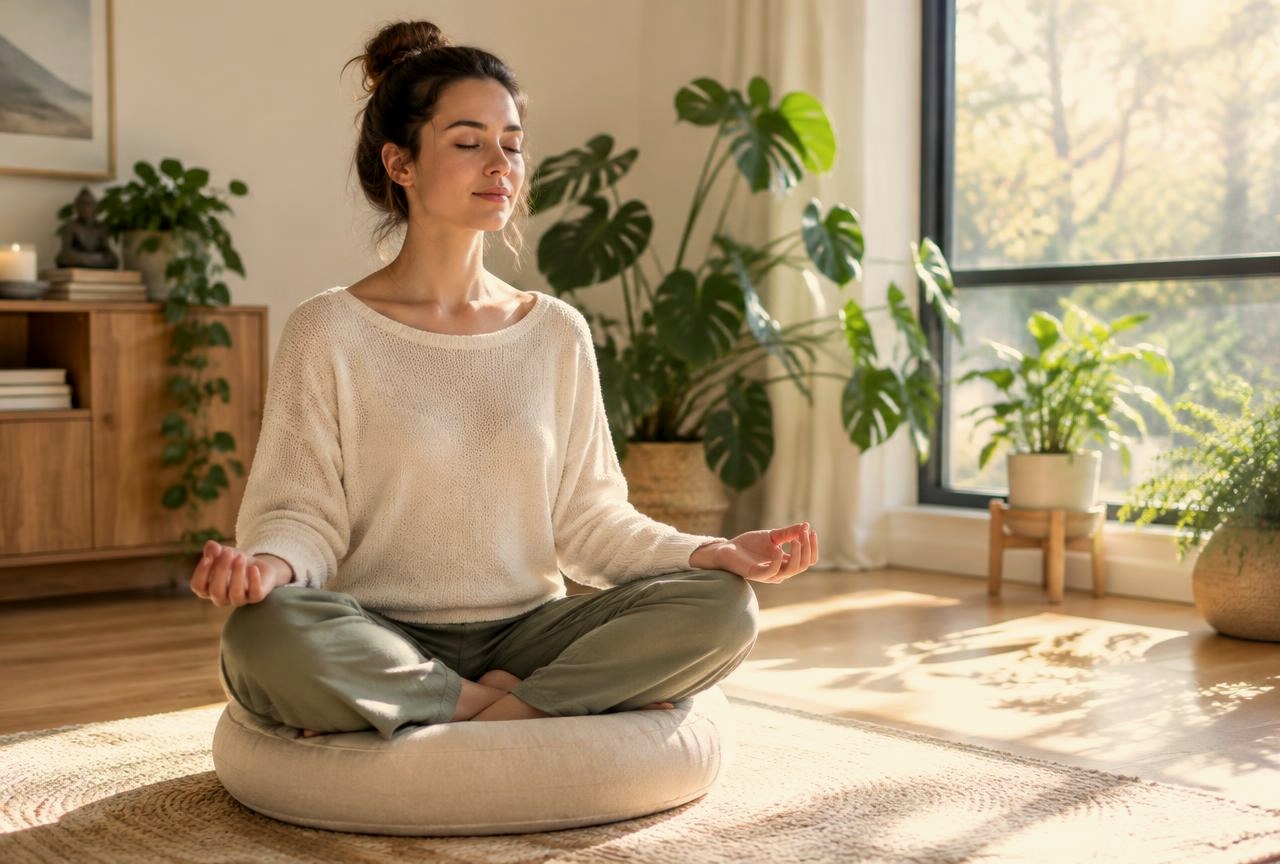
What is mindfulness?
Mindfulness means noticing what is happening right now, in your body, your mind and around you, without labeling it good or bad. Its roots are in contemplative traditions, and it came into mainstream mental health care in the late 1970s when Jon Kabat-Zinn created mindfulness-based stress reduction; mindfulness-based cognitive therapy later adapted it for depression. In therapy it is taught as a practical, secular skill: you learn to see thoughts and feelings as passing events rather than facts, which gives you a moment to choose how to respond instead of reacting on autopilot.
How does Femme Health use mindfulness?
Care starts with a personal intake so your therapist understands what pulls you out of the present, from racing thoughts at 3 a.m. to the constant demands of new motherhood or midlife. Practices are then chosen to fit that, and your season of life.
In clinician-led virtual groups, guided practices open and close many sessions, so the skill becomes a habit rather than something you only try when things fall apart. Practicing alongside other women often makes it easier to keep going.
With your primary therapist, you'll tailor practices to what actually triggers you, and build short ones into your day, a few breaths before a meeting, a body scan at night, a two-minute reset in a hard moment. Your care advocate helps with scheduling, costs and next steps.
Where mindfulness helps
What mindfulness can support
Anxiety disorders
Noticing worry as it starts, and lengthening your exhale, can take the edge off panic and constant what-if thinking.
Learn moreDepression
Mindfulness helps you step out of replaying the past, so rumination has less room to run and small routines become easier to start.
Learn moreTrauma and PTSD
Grounding through the senses brings you back to the present when memories or flashbacks intrude, at a pace you set.
Learn moreCommon questions about mindfulness and meditation
What is mindfulness, simply?+
Paying attention to the present moment on purpose, without judging it. In therapy it is taught as a practical skill that lowers stress and helps you respond rather than react.
Do I have to meditate for a long time?+
No. Short practices done regularly are what build the skill, and they matter more than occasional long sessions. Many women start with two to five minutes and notice small changes within a few weeks.
What is the difference between mindfulness and meditation?+
Meditation is a formal practice, like sitting and following your breath. Mindfulness is the quality of attention that practice builds, and you can bring it to anything you do, feeding a baby, driving, or sitting through a hard conversation.
What if I find it hard to sit still?+
That's common, and it isn't a sign you're bad at this. Many practices involve movement, walking, or everyday tasks, and your clinician can use eyes-open exercises so they feel manageable. Sitting quietly with your thoughts can feel uncomfortable at first, so practices are adjusted until they fit you.
When might mindfulness help?+
It's often useful if you:
- Get stuck replaying the past or worrying about the future
- Feel stressed or on edge most of the day
- React before you have time to think
- Struggle to sleep because your mind won't settle
- Want skills you can use anywhere, in minutes
Mindfulness is one part of a care plan, not a replacement for therapy or medication. If you're in crisis, call or text 988 or call 911 right away.
Ready to take the first step?
Get startedThis page is general information, not medical advice. In crisis? Call or text 988, or call 911.