
What we treat
Perinatal mood and anxiety
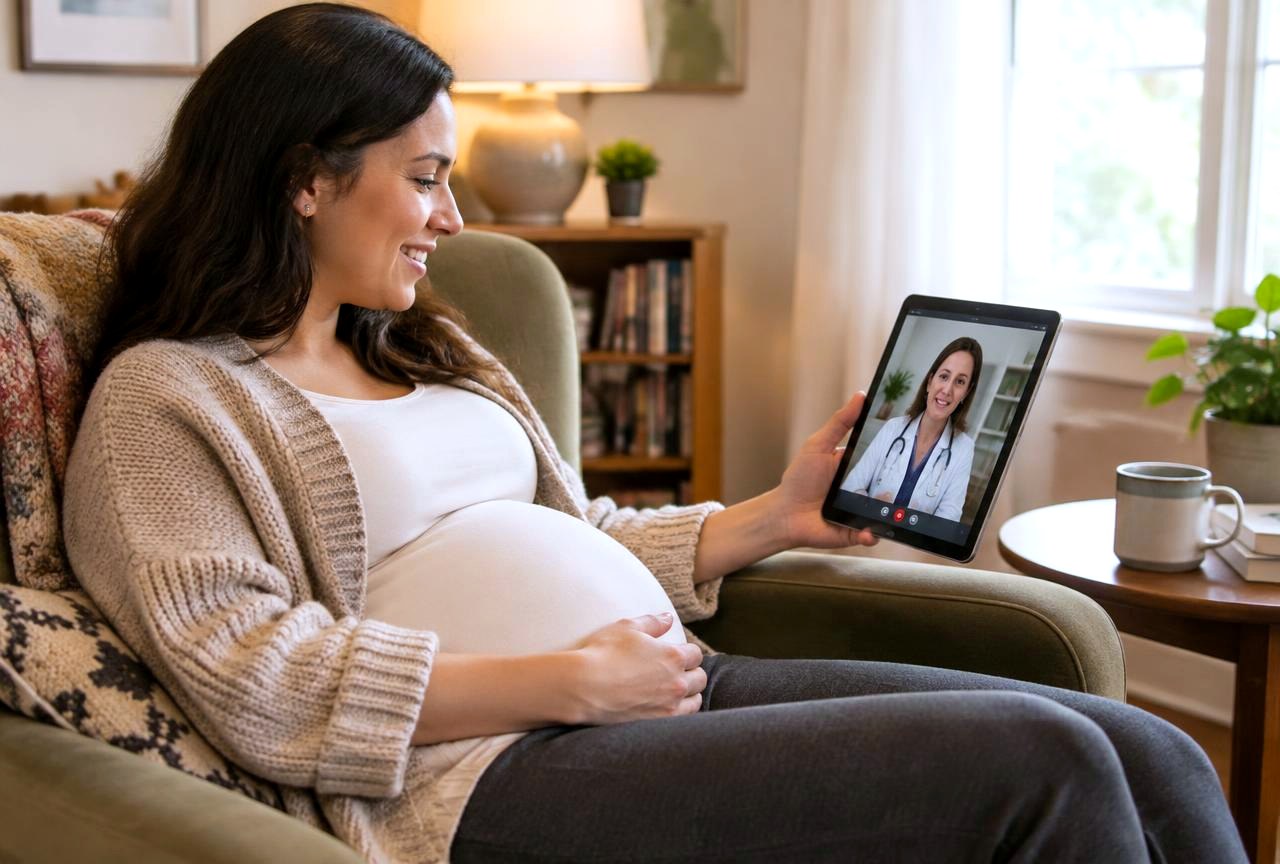
Our therapists use evidence-based approaches like cognitive behavioral therapy to support women experiencing perinatal mood and anxiety disorders (PMADs) during pregnancy or in the first year after birth. Ask a question to learn how our virtual care can help.
How are PMADs diagnosed?
PMADs are identified through a careful clinical assessment with a licensed professional, often alongside your OB-GYN, midwife or pediatric provider. You'll talk through your mood, anxiety, sleep and how you're coping with pregnancy or new motherhood. Short questionnaires may help clarify whether you're experiencing postpartum depression, postpartum anxiety or another perinatal condition, and how much it's affecting daily life.
How does Femme Health support PMADs?
Care starts with a personal intake to understand what you're going through, whether you're pregnant or in the months after birth. We build a plan around your season and your family, not a one-size-fits-all program.
In clinician-led virtual groups, you connect with other mothers who understand how isolating this season can feel. Hearing that others feel the same way can ease shame and build hope.
You're also paired with a primary therapist for individual sessions, and psychiatric medication management is available when clinically appropriate, including a conversation about options if you're breastfeeding. Your care advocate helps with scheduling, costs and next steps.
Therapy options
Approaches that can help
Cognitive behavioral therapy (CBT)
CBT helps you notice anxious or self-critical thoughts, like catastrophizing or feeling you're failing as a mother, and replace them with more balanced ones.
You'll also practice practical coping skills such as relaxation techniques and gentle, gradual steps toward the things you've been avoiding.
Learn moreMindfulness-based approaches
Mindfulness teaches you to notice worried thoughts and body tension without judging yourself for having them.
These short practices can fit into a day with a baby, and over time they can ease physical anxiety and help you rest.
Learn moreAcceptance & commitment therapy (ACT)
ACT helps you make room for frightening or exhausting thoughts instead of fighting them, while staying connected to the kind of mother and person you want to be.
The goal is to keep making choices that fit your values, even when anxiety is loud.
Common questions about perinatal mood and anxiety
What are PMADs?+
Perinatal mood and anxiety disorders are mental health conditions that begin during pregnancy or in the first year after birth. They include postpartum depression, postpartum anxiety, postpartum panic, intrusive thoughts and birth-related trauma. They are common, and they are treatable.
What are the main types of PMADs?+
Some common types include:
- Postpartum depression: persistent sadness, emptiness or disconnection
- Postpartum anxiety: constant worry, racing thoughts and trouble resting
- Postpartum panic: sudden attacks of fear with physical symptoms
- Intrusive thoughts: unwanted, upsetting worries, often about the baby
- Birth trauma: flashbacks or feeling on guard after a difficult delivery
- Postpartum psychosis: a rare, urgent condition that needs immediate care
If you're having thoughts of harming yourself or your baby, call or text 988 or call 911 right away.
What are the symptoms of PMADs?+
Symptoms can include:
- Persistent sadness, crying or feeling numb
- Excessive worry about the baby or about something going wrong
- Trouble sleeping, even when the baby sleeps
- Irritability, anger or feeling on edge
- Guilt, shame or feeling like you're failing as a mother
- Pulling away from your partner, friends or activities
- Racing heart, panic or a sense of dread
Not everyone experiences every symptom, and how strong they feel can vary.
How common are PMADs?+
They are among the most common complications of pregnancy and childbirth. Many public health sources estimate that up to 1 in 5 new mothers experiences a perinatal mood or anxiety condition, and it can affect women of any age, background or family situation. Reaching out early helps.
What causes PMADs?+
PMADs usually come from a mix of factors: the sharp hormonal shift after birth, sleep deprivation, pain or delivery complications, a history of anxiety or depression, limited support at home, and stress or past trauma. It's never caused by not loving your baby or not trying hard enough.
Ready to take the first step?
Get startedThis page is general information, not medical advice. In crisis? Call or text 988, or call 911.